
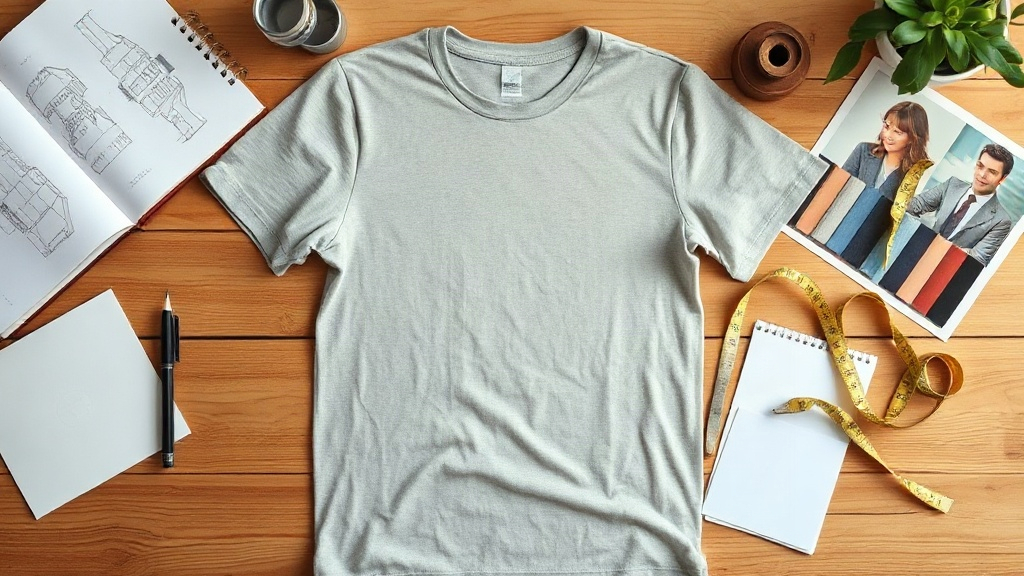
When it comes to streetwear that balances comfort, durability, and style, Shaka Wear has become a go-to choice for creators, brands, and everyday wearers. Founded in Los Angeles, the brand has deep roots in skate and urban culture, and its blank apparel is celebrated for its heavyweight construction and consistent fit. But what truly sets Shaka Wear apart is how it empowers you to turn a simple blank into a Custom Premium Shirt that reflects your unique identity. Whether you're launching a clothing line, promoting a cause, or just want a one-of-a-kind piece, this guide will walk you through everything you need to know about Shaka Wear and the art of customization.
Why Shaka Wear Stands Out in the Blank Apparel Market
Not all blanks are created equal. Shaka Wear has built its reputation on a few non-negotiable principles: quality fabric, ethical manufacturing, and a fit that flatters a wide range of body types. Their t-shirts, hoodies, and crewnecks are made from 100% cotton or cotton-poly blends, often in heavyweight GSM (grams per square meter) that gives them a substantial feel and excellent printability. Unlike flimsy fast-fashion tees, Shaka Wear garments hold their shape wash after wash, making them ideal for screen printing, embroidery, and heat transfer applications.
Another key differentiator is the brand's commitment to consistency. If you order a batch of Shaka Wear tees today and another batch six months from now, you can expect the same measurements and color accuracy. For businesses and creators, that reliability is priceless. It means your Custom Premium Shirt will look the same across every production run, keeping your brand image sharp.
The Fabric Difference: Why Weight Matters
Shaka Wear offers a range of fabric weights, from lightweight 5.3 oz tees to beefy 7.5 oz options. Heavier fabrics tend to drape better, resist transparency, and provide a premium hand-feel that customers notice immediately. They also take prints more cleanly, especially when using plastisol or water-based inks. If you're aiming for a luxury streetwear vibe, a heavyweight Shaka Wear tee is an excellent canvas.
Fit Options for Every Body
Shaka Wear isn't a one-size-fits-all brand. They offer classic fits, relaxed fits, and even tall sizes. This inclusivity means you can find the right silhouette for your audience, whether you're designing for a skate team, a corporate event, or a fashion-forward boutique. When you choose a Custom Premium Shirt from Shaka Wear, you're not just getting a blank; you're getting a garment that fits real people well.
What Makes a Custom Premium Shirt Truly Premium?
The word "premium" gets thrown around a lot, but in the context of custom apparel, it boils down to three factors: the blank, the decoration method, and the design execution. A Custom Premium Shirt starts with a high-quality blank like Shaka Wear, then adds decoration that enhances rather than detracts. That could mean a soft-hand screen print, a durable embroidery, or a cutting-edge DTG (direct-to-garment) print that captures fine details.
But premium also means attention to detail: consistent placement, color accuracy, and a design that resonates with your target audience. A premium shirt feels intentional. It's not just a logo slapped on a tee; it's a piece of wearable art that people want to keep wearing.
Decoration Methods That Elevate Shaka Wear Blanks
- Screen Printing: Ideal for bold, high-contrast designs and bulk orders. It offers vibrant colors and excellent durability when done correctly.
- Embroidery: Adds a tactile, upscale feel. Perfect for logos, monograms, and small text on polos or hoodies.
- DTG Printing: Great for detailed, full-color images and small batches. It works best on 100% cotton, which Shaka Wear provides in abundance.
- Heat Transfer Vinyl: A versatile option for names, numbers, and simple shapes. It's quick and cost-effective for small runs.
Each method interacts differently with fabric. For example, screen printing on a heavyweight Shaka Wear tee yields a slightly textured, vintage look if you use a soft-hand additive. Embroidery on a hoodie adds a premium touch, but you need to consider the fabric's thickness to avoid puckering. Experimenting with swatches is always a smart move before committing to a full production run.
Designing Your Custom Premium Shirt: A Step-by-Step Approach
Creating a shirt that people actually want to wear requires more than a cool graphic. It requires strategy. Here's a practical framework to guide your design process.
1. Define Your Purpose and Audience
Are you designing merch for a band, a corporate team, or your own clothing label? Knowing your audience helps you choose the right blank, colors, and decoration style. For a skate brand, a boxy heavyweight tee with a bold screen print might be perfect. For a tech startup, a subtle embroidered logo on a fitted tee could be more appropriate.
2. Choose the Right Shaka Wear Blank
Consider the season, the intended use, and your budget. Shaka Wear's classic tees are versatile year-round, while their fleece hoodies are ideal for cooler months. If you're selling online, offering a mix of weights and fits can cater to different preferences. Remember, the blank is the foundation of your Custom Premium Shirt, so don't skimp here.
3. Develop a Design That Stands Out
Less is often more. A single, well-placed graphic can be more impactful than a cluttered layout. Think about color contrast: if your blank is black, a bright neon print will pop; if it's white, a subtle tonal print can look sophisticated. Also, consider the print size relative to the shirt's dimensions. A common mistake is making the design too small, which can make the shirt look cheap.
4. Test with Samples
Before ordering 100 shirts, order one. Wear it, wash it, and see how the print holds up. Shaka Wear blanks are known for their durability, but your decoration method also plays a role. A sample run lets you catch issues like misalignment, color shifts, or uncomfortable print thickness early on.
5. Choose a Reputable Printer
Even the best blank can be ruined by poor printing. Look for a printer with experience working with Shaka Wear products. They'll know the optimal settings for each fabric type and can advise on ink types, curing temperatures, and more. A good printer is your partner in creating a truly premium shirt.
Common Pitfalls to Avoid When Creating Custom Apparel
Even seasoned creators make mistakes. Here are a few pitfalls to watch out for, along with tips to sidestep them.
- Ignoring fabric compatibility: Not all inks work on all fabrics. For instance, some water-based inks require 100% cotton, while others work on blends. Always check with your printer.
- Overcomplicating the design: Too many colors or fine details can lead to a muddy print. Simplify where possible.
- Neglecting the back of the shirt: A large back print can be a great feature, but it can also make the shirt stiff and uncomfortable. Consider a lighter coverage or a smaller design.
- Forgetting about care instructions: Include washing instructions on your hang tag or label to preserve the print's longevity. Customers appreciate the guidance.
By avoiding these common errors, you'll be well on your way to producing a Custom Premium Shirt that rivals established brands.
Why Shaka Wear Is a Smart Choice for Your Brand
If you're building a brand, every detail matters. Shaka Wear offers a combination of quality, consistency, and cultural credibility that's hard to find elsewhere. Their blanks are worn by skaters, artists, and entrepreneurs alike, giving your brand an instant association with authenticity and streetwear cool. Moreover, their wide range of styles means you can grow with them, expanding from basic tees to hoodies, tank tops, and beyond.
From a business perspective, Shaka Wear's pricing is competitive, especially when you consider the durability. A shirt that lasts longer and looks better translates to happier customers and fewer returns. And when you add your own customization, you're not just selling a product; you're selling a piece of your brand's story.
Frequently Asked Questions About Shaka Wear and Custom Premium Shirts
What is the best Shaka Wear blank for screen printing?
The best blank depends on your design and desired feel. For screen printing, heavyweight 100% cotton tees like the Shaka Wear SHASS (6.0 oz) or SHMHSS (7.5 oz) are excellent choices. They provide a smooth surface and hold ink well. If you want a softer, vintage look, opt for a lighter weight or a cotton-poly blend, but note that some inks may require a catalyst for adhesion.
Can I put my own label on a Shaka Wear shirt?
Yes, many creators rebrand Shaka Wear blanks by removing the original label and sewing in their own. This is a common practice in the fashion industry. However, check Shaka Wear's terms of service regarding trademark and branding to ensure you're compliant. Some brands allow it, while others have restrictions.
How do I wash a Custom Premium Shirt to make it last?
Turn the shirt inside out and wash it in cold water on a gentle cycle. Avoid using bleach or fabric softener, as these can degrade the print. Tumble dry on low or hang dry for best results. If you must iron, do so on the reverse side, avoiding the printed area. Following these steps will keep your custom shirt looking new for years.
Is Shaka Wear true to size?
Shaka Wear generally fits true to size, but their different styles have varying fits. For example, their classic tees have a standard fit, while their oversized tees run larger. Always consult the size chart provided by the retailer and consider ordering a sample if you're unsure. Many customers find that Shaka Wear fits consistently across colors and production batches.
What is the minimum order quantity for custom Shaka Wear shirts?
Minimum order quantities vary by printer and decoration method. Some printers offer no minimum for DTG printing, while screen printing often requires at least 12 to 24 pieces per design. If you're ordering directly from Shaka Wear, they typically sell in bulk cases, but you can find retailers that sell individual blanks. For custom work, it's best to discuss your needs with a printer who specializes in small or large runs.