
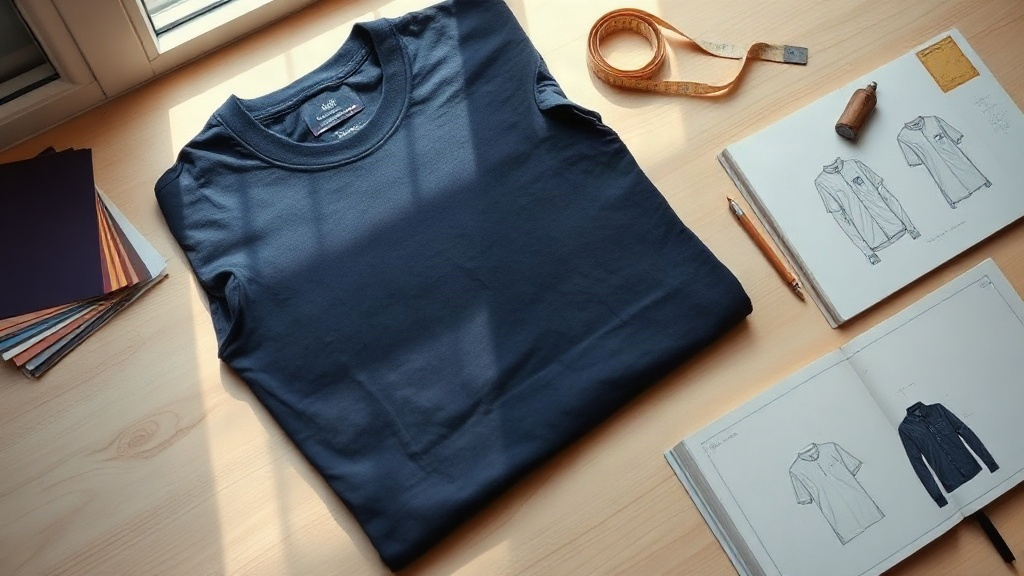
You have a design in mind and want it on a shirt that feels as good as it looks. Shaka Wear has built a reputation for heavyweight, durable blanks that hold up to printing and everyday wear. But picking the right blank is only the first step. The difference between a custom shirt that gets worn weekly and one that ends up as a dust rag comes down to three things: the blank you choose, the printing method you match to it, and how you care for the final product. This guide walks you through each decision with practical, field-tested advice so your next Custom Premium Tee project turns out exactly how you imagined.
Why Shaka Wear Blanks Set the Stage for Great Custom Tees
Not all blank tees are created equal. Shaka Wear tees are known for their substantial hand feel, typically in the 6.0 to 7.5 oz range, which gives them a structured drape that cheap 4 oz blanks simply cannot match. That weight matters when you add ink or embroidery: a heavier fabric resists puckering, holds its shape through repeated washes, and provides a smooth canvas that makes prints look more vibrant and professional.
Beyond weight, the cotton quality and knit density affect how your design sits on the shirt. Shaka Wear uses ring-spun cotton in many of its styles, which creates a softer surface and finer gauge. This means finer details in your artwork, like small text or thin lines, are less likely to blur or fill in. If you have ever seen a detailed logo turn into an unrecognizable blob on a flimsy tee, you know how much the blank matters.
Fabric Weight and Your Design
Lightweight shirts (under 5 oz) can work for promotional giveaways where cost is the priority, but they often warp and thin out after a few washes. Midweight (5.5 to 6.5 oz) hits a sweet spot for retail-style merch. Heavyweight (7 oz and up) is ideal for streetwear, workwear, and anything meant to feel premium. Shaka Wear offers options across these categories, so you can match the shirt to the intended use rather than forcing one weight to do everything.
Color Choices and Print Contrast
Dark garments usually require a white underbase for bright colors to pop, while light garments let you print directly with fewer passes. If your design uses a lot of fine detail, a lighter shirt color often yields a cleaner result because you avoid the thick underbase that can obscure small elements. Keep this in mind when selecting your Custom Premium Tee colorway.
Choosing the Right Printing Method for Your Custom Premium Tee
The printing method you choose should complement both your design and the fabric. Here is how the most common options stack up on Shaka Wear blanks.
Screen Printing: Best for Bold, Simple Designs
Screen printing pushes ink through a mesh screen, one color at a time. It offers excellent durability and vibrant colors, especially on dark fabrics. On a heavyweight Shaka Wear tee, the ink sits on top of the fabric, which can feel slightly raised but lasts for years if cured properly. This method is cost-effective for larger runs (usually 24 pieces and up) and works best with designs that have solid blocks of color and limited gradients.
Direct-to-Garment (DTG): Great for Detailed, Full-Color Art
DTG printing works like an inkjet printer for fabric, laying down water-based ink that soaks into the cotton fibers. It excels at photographic images, complex gradients, and small runs. On a 100% cotton Shaka Wear tee, DTG produces a soft-hand print that feels nearly invisible. The trade-off is that DTG inks can fade faster on dark colors unless the shirt is pretreated, and the print may not be as opaque as screen printing on very dark fabrics.
Embroidery: For a Premium, Textured Look
Embroidery adds a three-dimensional quality that neither screen printing nor DTG can replicate. It is ideal for left-chest logos, hats, and polos. On a Custom Premium Tee, embroidery works best when the design is simple and the stitch count is kept moderate to avoid stiffening the fabric. Heavyweight Shaka Wear tees provide a stable base that prevents the embroidery from pulling or distorting the shirt.
Heat Transfer and Vinyl: Quick and Accessible
Heat transfer and vinyl are popular for one-off projects and small batches. They require a heat press and can be done in a home studio. The result is a smooth, slightly plastic-feeling print that can crack over time if not applied correctly. On Shaka Wear tees, make sure the fabric is pre-pressed to remove moisture, and follow the vinyl manufacturer's temperature and pressure settings precisely.
Nailing the Fit: Sizing Tips for Shaka Wear Tees
Shaka Wear tees generally run true to size, but the relaxed, modern cut means they are not boxy. If you or your customers prefer a looser fit, consider sizing up. For a fitted look, stay with your usual size. Always consult the specific size chart for the style you choose, because measurements can vary slightly between models.
When ordering for a group, collect sizes in advance and consider ordering a few extras in the most common sizes. It is far easier to have a spare on hand than to place a second small order later. Also, remember that 100% cotton shirts may shrink about 3 to 5 percent after the first wash, so if you are between sizes, going up is usually the safer bet.
Caring for Your Custom Premium Tee So It Lasts
A great custom shirt should survive dozens of wears and washes. Follow these steps to keep the print and fabric in top condition.
- Wash inside out in cold water on a gentle cycle. This reduces abrasion on the print and minimizes shrinkage.
- Use mild detergent and avoid bleach or fabric softeners, which can break down inks and fibers.
- Tumble dry on low or hang dry. High heat is the enemy of both cotton and printed graphics.
- Iron inside out if needed, and never iron directly over the print.
- Store folded rather than hung if the shirt is heavyweight, to prevent shoulder stretching.
These habits take seconds to adopt but can double the life of your Custom Premium Tee.
Common Mistakes to Avoid with Custom Shirt Projects
Even experienced buyers slip up. Here are the pitfalls I see most often and how to sidestep them.
- Ignoring fabric composition. A 50/50 blend behaves differently from 100% cotton. DTG inks bond best with cotton, while polyester blends may require a different ink set. Always check the label.
- Choosing the wrong print size. A design that looks great on a 12-inch wide print area may overwhelm a smaller shirt. Scale your artwork to the garment size.
- Skipping the pre-press. Moisture in the fabric can cause uneven curing and premature fading. A quick pre-press before printing makes a noticeable difference.
- Underestimating dark shirts. Dark colors need a white underbase for screen printing or a pretreatment for DTG. Without it, colors look muddy.
By avoiding these, your Shaka Wear project will look more professional and last longer.
Frequently Asked Questions
What is the best printing method for a Shaka Wear Custom Premium Tee?
It depends on your design. Screen printing is best for bold, simple graphics and larger orders. DTG is ideal for detailed, full-color images and small batches. Embroidery suits logos and text. For one-off projects, heat transfer vinyl is a practical choice. Match the method to your artwork and quantity for the best result.
Do Shaka Wear tees run true to size?
Yes, they generally run true to size with a relaxed, modern fit. If you prefer a looser feel, size up. Always check the specific size chart for the style you are ordering, as measurements can vary slightly between models.
How do I prevent my custom print from cracking?
Wash the shirt inside out in cold water, avoid fabric softener, and tumble dry on low or hang dry. Proper curing during the printing process is also critical. If you are doing heat transfer at home, follow the vinyl manufacturer's temperature and time settings exactly.
Can I print on 100% cotton and cotton blends?
Yes, but the ink and method may differ. DTG works best on 100% cotton. For blends with polyester, you may need a low-bleed or poly-specific ink. Always test on a sample shirt before committing to a large order.
How long does a Shaka Wear Custom Premium Tee last?
With proper care, a heavyweight Shaka Wear tee can last for years. The fabric resists shrinking and warping, and a well-cured print can outlast the shirt itself. Following the washing tips above will help you get the most life out of your custom tee.